
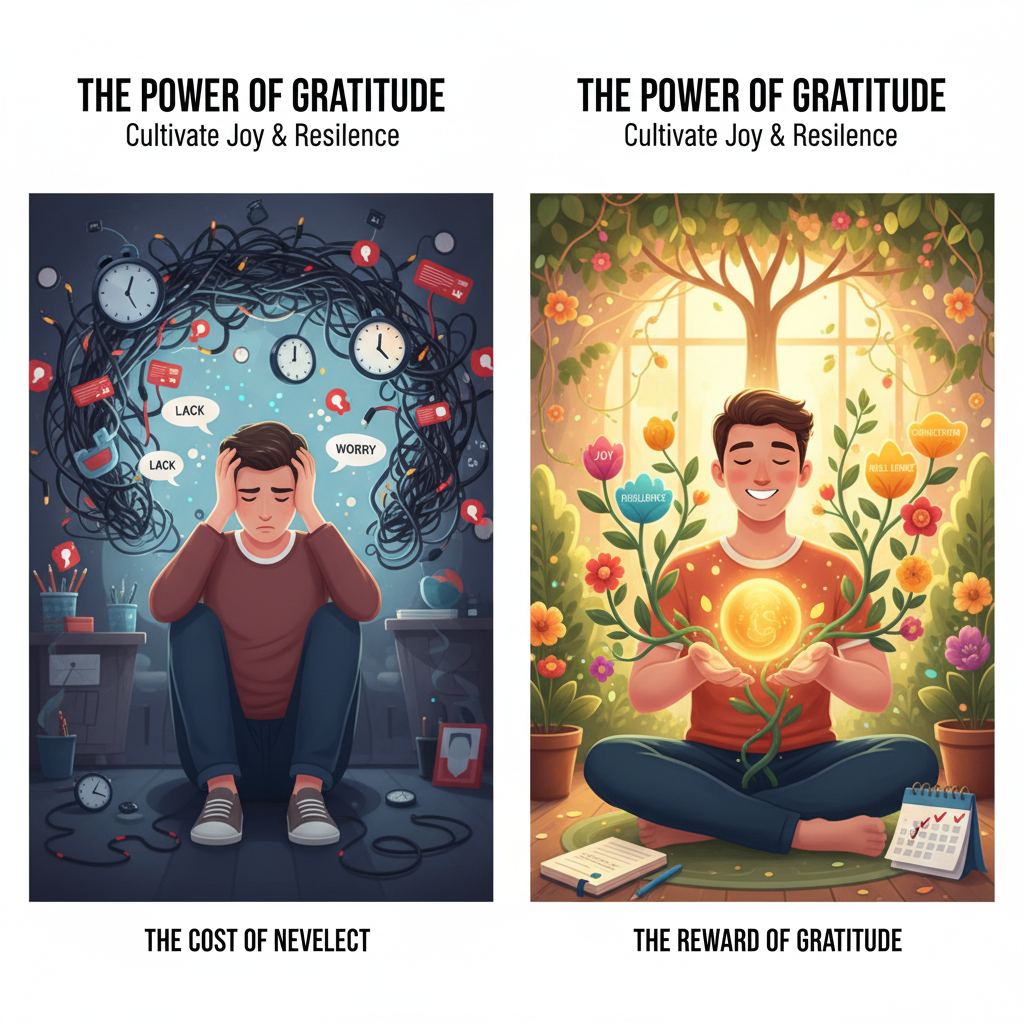
In our hectic, fast-paced lives, it’s simple to focus on what we lack or what isn’t working well. The little, simple pleasures that make up our days are frequently overlooked as we concentrate on the next major objective. However, what if one of the most effective strategies for living a happier, more contented life is to just appreciate what you already have rather than striving for anything new? That’s what gratitude is all about. A rich life is based on gratitude, not only abundance, as demonstrated by this straightforward exercise that has the capacity to change not only your perspective but also your entire day.
Practicing gratitude is more than just thinking about it; it’s about purposefully concentrating on the positive, especially in the face of adversity. Consider it a mental muscle that requires training. It becomes stronger the more you use it. Maintaining a thankfulness diary is an easy way to get started. This doesn’t need to be a complicated, formal procedure. Spend a few minutes every day writing down three things for which you are truly grateful. Perhaps it’s the hot cup of coffee you drank this morning, a kind text message from a buddy, or the sight of a stunning sunset.
It’s about focusing on the little things that improve life and changing your focus from what’s lacking to what is there, not about identifying the biggest or most significant things.
Gratitude has been shown by psychologists and researchers to literally rewire your brain, forming new neural pathways that facilitate the perception of positive things. Numerous advantages can result from this proactive emphasis on gratitude, such as reduced stress, better sleep, and a more robust immune system. Like a positive domino effect, one small positive idea might trigger another, and eventually you’ll have a completely different perspective on life. By assisting you in changing your perspective from one of scarcity and discontent, this technique offers a potent means of lowering anxiety and long-term stress.
The way that appreciation strengthens our bonds with people is another lovely aspect of it. You’re not only making someone feel good when you say “thank you” to them, whether it’s a family member who prepared you a meal, a friend who assisted you with moving, or a teacher who motivated you. The single best indicator of a long, happy life is the link you’re fortifying with them. Giving yourself the resources to deal with difficult situations with greater grace and resilience is the ultimate goal of thankfulness, not ignoring them. You’re not only making your life happier by taking the time to enjoy the small pleasures every day, but you’re also laying the groundwork for a resilient and optimistic future that will help you overcome any obstacle.